In contemporary architecture, the exterior appearance of buildings plays a crucial role in shaping urban identity. Architects increasingly collaborate with an artist for building facade projects to transform simple structural exteriors into visually striking and culturally meaningful designs. Through creative techniques, materials, and artistic concepts, building facades can become dynamic works of art that define the character of modern cities.
The Growing Importance of Artistic Facades
Modern architecture focuses not only on functionality but also on aesthetics and cultural impact. When architects collaborate with an artist for building facade design, the building exterior becomes an opportunity for artistic expression. These collaborations allow structures to stand out in dense urban environments while creating a memorable visual experience for residents and visitors.
Artistic facades also help buildings communicate identity, whether it is a corporate brand, a cultural institution, or a public space.
Use of Innovative Materials
One of the most important trends for an artist for building facade design is the use of innovative materials. Artists and architects experiment with materials that provide both durability and creative possibilities. Collaborate with an artist for building facade to make your architecture visually striking.
Common materials used in artistic facades include:
- Perforated metal panels with artistic patterns
- Glass panels with printed or etched artwork
- Ceramic tiles arranged in creative mosaics
- Composite materials with custom textures and shapes
These materials allow artists to create unique visual effects that change with light, weather, and perspective.
Large Scale Murals and Graphic Facades
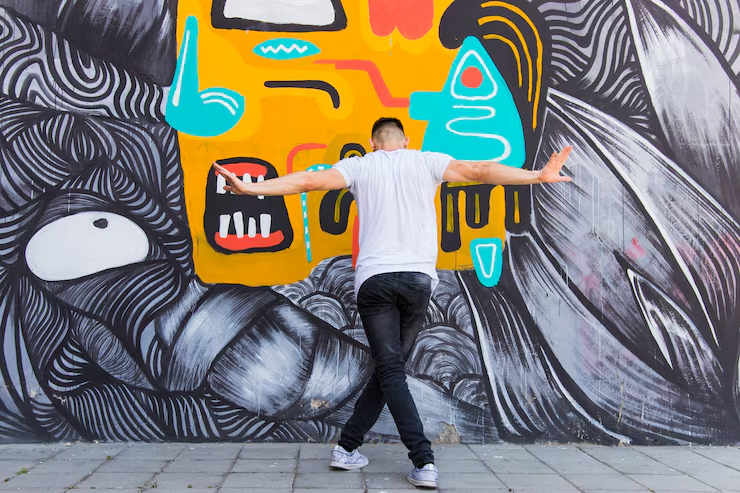
Murals and graphic designs have become a popular trend for an artist for building facade projects. Large scale wall art can transform the exterior of residential buildings, offices, and cultural institutions.
Graphic facades often feature bold colors, abstract patterns, or cultural themes that reflect the identity of the surrounding community. In many cities, these artistic facades have turned ordinary buildings into famous urban landmarks.
Interactive and Digital Facade Art
Technology is creating new possibilities for an artist for building facade design. Digital screens, LED lighting systems, and projection mapping allow buildings to display dynamic artworks that change over time.
Interactive facades can respond to environmental conditions such as light, temperature, or human movement. These features create engaging experiences for pedestrians and make architecture more responsive and alive.
Digital art facades are especially popular in entertainment districts, cultural centers, and modern commercial buildings.
Sustainable and Environmental Design
Sustainability has become an important consideration for architects and artists working on façade design. An artist for building facade projects may incorporate environmentally friendly materials and design strategies.
Examples include:
- Green facades with plants integrated into the structure
- Solar panels arranged in artistic patterns
- Shading systems designed as decorative elements
- Natural ventilation features that also serve as artistic structures
These solutions combine environmental responsibility with creative design.
Cultural Storytelling Through Facade Art
Another emerging trend for an artist for building facade is the use of architecture to tell stories. Facade artworks often represent local history, traditions, or cultural symbols.
Artists collaborate with communities and designers to create visual narratives that connect buildings to the cultural context of their location. This storytelling approach gives buildings deeper meaning and strengthens community identity.
Collaboration Between Artists and Architects
Successful façade art projects require strong collaboration between architects and artists. An experienced artist for building facade understands how to integrate artistic concepts into architectural structures without compromising safety or structural integrity.
This collaboration involves planning the artwork during the early stages of design, ensuring that the artistic vision aligns with construction requirements and the overall architectural concept.
Conclusion
The role of an artist for building facade is becoming increasingly important in contemporary architecture. Through innovative materials, digital technologies, sustainable solutions, and cultural storytelling, artistic facades are transforming buildings into creative landmarks. As cities continue to evolve, the collaboration between artists and architects will play a vital role in shaping visually inspiring and culturally meaningful urban environments. 🎨🏙️